
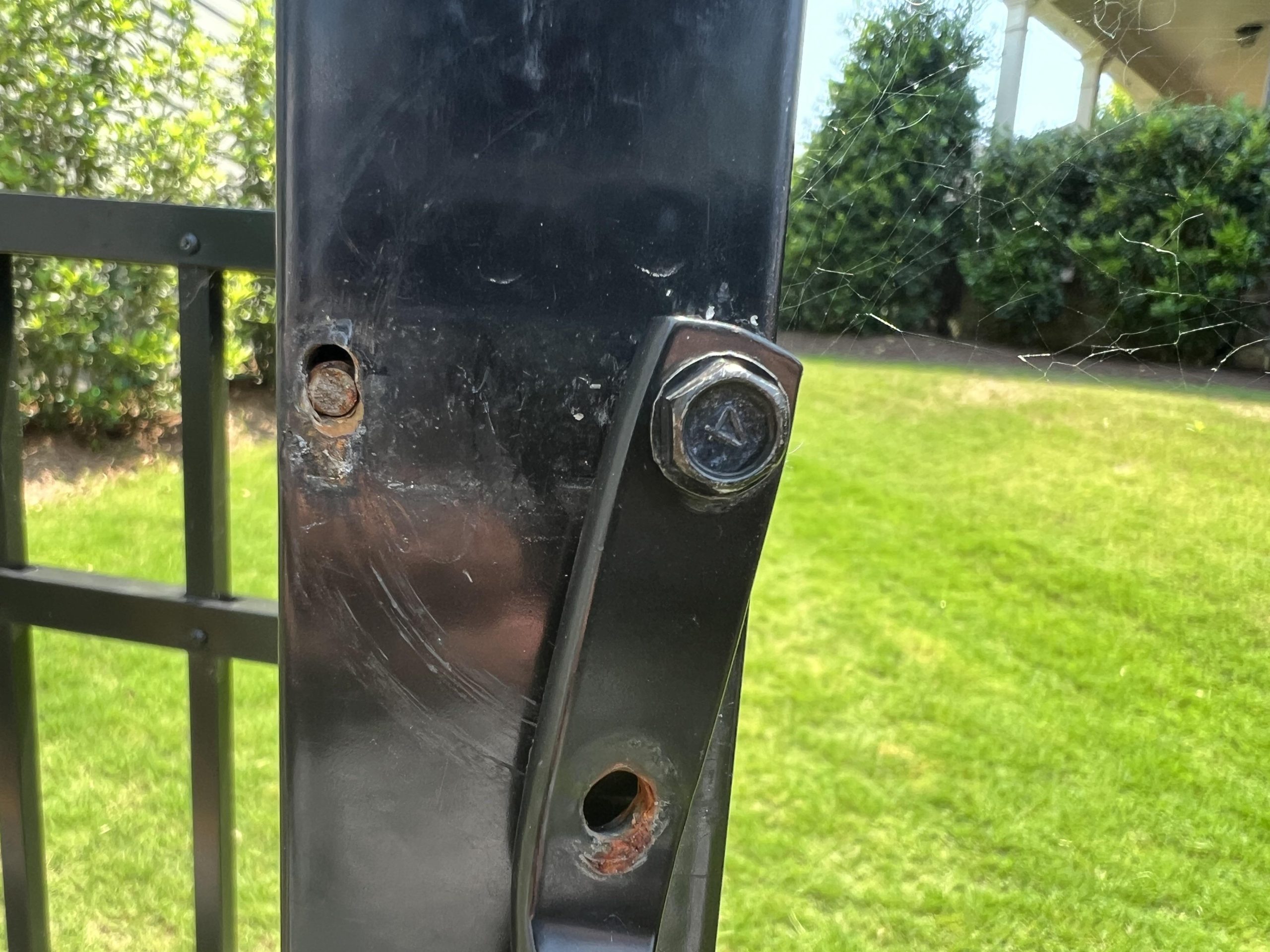
Latch failures in Woodbury, NJ often stem from corrosion, misalignment, or damaged hardware, so you should inspect hinges, bolts, and posts; a loose latch can pose a security and injury risk, while simple replacements or tightening offer a quick, affordable fix.
Key Takeaways:
- Misaligned or sagging gates cause latches to miss catches; adjust hinges, add shims, tighten posts, or install a gate stop to restore proper alignment.
- Corrosion, paint buildup, and frozen mechanisms block latch movement; clean rusted parts, remove excess paint, apply silicone or graphite lubricant, and replace severely corroded components-Woodbury, NJ weather can accelerate corrosion so use stainless or galvanized replacements.
- Loose, stripped, or improperly installed hardware leads to recurring failures; inspect and replace fasteners with stainless steel, verify correct latch height, and hire a local Woodbury fence contractor for complex repairs or persistent sag.
Common Mechanical Failures in Aluminum Latches
Aluminum latches often suffer from wear, corrosion, loose fasteners, and bent parts that disrupt operation; you should inspect for loose bolts and corrosion to prevent sticking, failure to latch, or security issues.
Gravity Latch Misalignment
Gravity latches that shift off their strike will miss catch points, leaving the gate unsecured; you can realign the latch, adjust hinge spacing, or shim the post to eliminate a security risk.
Spring Tension Loss and Wear
Springs lose tension from corrosion and repeated cycles, so the latch may not snap closed; you should test tension, replace worn springs, and watch for broken spring signs that cause failure.
You should inspect spring coils for rust, deformation, or uneven spacing and test by cycling the latch to compare resistance. If tension is weak, replace with the manufacturer-specified spring, lubricate pivot points, and tighten mounts. Wear can create a snap hazard, so use eye protection and gloves or hire a pro to ensure restored operation and safe handling.
Environmental Impact on Woodbury Fencing
Local weather and soil conditions force your aluminum gate to shift, causing misalignment and latch failure. You should inspect posts for corrosion and movement after storms to prevent sticking and security gaps.
Soil Shifting and Ground Heave
Ground movement can tilt posts and warp frames, making your latch rub or miss its strike; uneven settling often signals failing foundations that need re-leveling or post reinforcement to restore proper operation.
Seasonal Temperature Fluctuations
Temperature swings expand and contract materials, causing screws to loosen and latch alignment to drift; you may see sticking in winter and sag in summer, requiring seasonal checks and tightening.
Aluminum reacts quickly to heat changes, so you’ll notice latch gaps grow in summer and seize in cold; inspect fasteners for loosening, replace worn bushings, and use outdoor-rated lubricant to prevent freeze-related jamming and alignment drift.
Seasonal Effects and Fixes
| Effect | Action |
|---|---|
| Expansion causing sag | Tighten hardware; adjust hinges |
| Contraction causing sticking | Use lubricant; clear ice |
| Loose fasteners | Torque screws; replace worn parts |
| Coating wear and corrosion | Inspect finishes; touch up paint |
Structural Issues Affecting Latch Performance
Soil shifts under footings, rot at wooden posts, and loose fasteners can bend frames and misalign latches, making gates difficult to operate; you should inspect for movement, tighten connections, and remedy corrosion or shifting to avoid security and safety problems.
Gate Post Lean and Instability
Posts that lean will throw the latch out of alignment; you can check footings, reset concrete, or pack gravel and re-plumb to stop movement. Fixing a loose post prevents gate failure and reduces safety hazards.
Sagging Gate Frames
Frames that sag strain latches and make gates drag; you should tighten hinges, add a diagonal brace, or install adjustable hinges to lift the frame and restore smooth latching. Address sagging to avoid continued wear.
You may find worn hinge pins, loose bolts, or lower rail contact causing sag; measure gaps, replace bent hardware, and reinforce with a welded or metal brace for lasting repair. Prioritize structural damage fixes to prevent compromised security or injury.
Hardware Degradation and Material Fatigue
Hardware like hinges and latch assemblies wear from repeated vibration and load, causing misalignment and slack you can feel. You should replace fatigued parts early since failure can let the gate detach or leave your property unsecured.
Oxidation of Fasteners and Pivot Points
Corrosion on screws and pivots causes stiff motion and seizing you’ll notice when you operate the gate; seized pivots can snap under load. You should clean, lubricate, or swap corroded fasteners to restore smooth operation.
Stripped Screws and Loose Mounting Plates
Stripped screw heads and loose plates let the latch shift you rely on, producing misalignment and security gaps; loosened mounts can allow the gate to sag or open unexpectedly. You can retap threads or use larger screws and backing plates for a durable fix.
Inspect the mounting area for rot or gaps you might miss; if screws keep stripping, install a larger-diameter screw, a threaded insert like a Helicoil, or replace the wood block and use stainless fasteners. Applying epoxy anchors or backing plates prevents repeat stripping and restores secure latch engagement to prevent accidental openings.
Professional Troubleshooting and Diagnostic Steps
You should run systematic checks of alignment, wear, and hardware and consult Troubleshooting Common Aluminum Fencing Issues, focusing on misaligned latches, worn pins, and safety.
Assessing Latch Engagement Depth
Check engagement depth by closing slowly to see if the latch fully seats in the strike; measure gaps and adjust the striker or trim the gate to fix shallow engagement that causes sticking.
Testing Hinge Swing Consistency
Observe hinge swing for smooth travel and consistent alignment; lubricate, tighten, or replace bent hinges to prevent latch misalignment.
Measure hinge pin alignment by propping the gate at different angles while watching for binding, rotation lag, or wobble; you should replace rusted pins, shims, or worn leaves and retest until the gate swings true to avoid sag and latch failure.
Long-Term Maintenance and Prevention
You should perform seasonal inspections, tighten fittings, and treat surface corrosion early to prevent gate sag and security breaches around Woodbury, NJ.
Routine Lubrication and Cleaning Protocols
Regularly wipe debris, flush salt residue, and apply silicone or graphite lubricant to moving parts so you avoid sticking and premature wear.
Upgrading to Heavy-Duty Latch Systems
Consider upgrading to stainless-steel or commercial-grade latches so you increase lifespan and reduce corrosion risk while improving resistance to forced entry.
Choose models with adjustable strike plates, heavier bolts, and tamper-resistant hardware, and have a pro install them so you prevent misalignment and functional failure.
Conclusion
Aluminum fence gate latch problems in Woodbury, NJ are usually caused by small issues such as loose hardware, sagging gates, corrosion, or seasonal ground movement. Fortunately, many of these problems can be resolved with simple fixes like tightening hinges, realigning the latch, lubricating moving parts, or replacing worn hardware. Addressing these issues early helps prevent security gaps, gate damage, and potential safety hazards around your property.
Regular inspections and basic maintenance are the best ways to keep your fence gate operating smoothly. Checking latch alignment, tightening fasteners, and cleaning or lubricating the mechanism can extend the life of your aluminum gate system and prevent more expensive repairs later. When problems go beyond minor adjustments—such as leaning posts, structural sagging, or repeated latch failures—it’s often best to have a professional evaluate the fence.
If you’re experiencing aluminum fence gate latch problems in Woodbury, NJ, the team at Deptford Fence Company can help diagnose the issue and restore your fence to proper working condition. Our experienced installers handle gate repairs, latch replacements, and fence adjustments to ensure your property remains secure and easy to access.
Whether you need a quick gate repair or a full fence inspection, Deptford Fence Company provides reliable service for homeowners throughout Woodbury and the surrounding South Jersey communities. Our goal is to keep your fence functioning safely while maintaining the clean, durable appearance aluminum fencing is known for.