
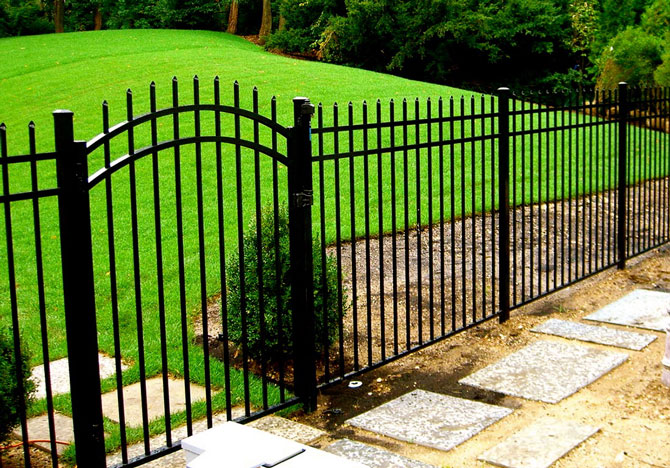
Aluminum fences after storms can suffer bent pickets and loose posts; you should inspect for sharp edges and unstable posts that can collapse, and consider straightening pickets, re-anchoring posts, or hiring professional repair to restore safety and curb appeal.
Key Takeaways:
- Inspect fence after storms for bent pickets, cracked rails, loose or heaved posts, and missing fasteners; photograph damage for insurance and to decide repair vs replacement.
- Straighten minor bent aluminum pickets or swap individual pickets/panels; reset loose posts by re‑excavating, realigning, and backfilling with compacted gravel and concrete or install helical anchors for added stability; replace severely damaged posts or panels.
- Check Woodbury, NJ permit and HOA rules before major repairs, file insurance claims when structural damage exists, and hire a licensed fence contractor for post replacements or when footing/structural integrity is compromised.
Assessing Storm Damage Specific to Woodbury Properties
Woodbury yards often show fence harm after storms; you should scan for bent pickets, loose posts, broken rails, and corrosion from salt or standing water within 48 hours to prevent worsening.
Identifying Common Impact Points After High Winds
Check corners, gate posts, rail connections, and picket tops for impact; note split fasteners, leaning posts, or detached brackets as signs of structural compromise.
Structural vs. Aesthetic Damage Evaluation
Distinguish cosmetic dents and paint chips from load-bearing issues so you can prioritize; address any post movement or hardware failure before surface repairs.
When you dig deeper, perform a wobble test and inspect footings for cracks; significant wobble or shifted concrete means posts must be reset or replaced to restore load capacity. If damage is limited to panels or fasteners, you can often straighten pickets, replace brackets, and retighten hardware to extend service life.
Remedying Loose or Leaning Fence Posts
You should dig around leaning posts, straighten them, and re-set with compacted gravel and new concrete; How To Fix A Bent Aluminum Fence offers guidance. Loose posts can collapse if untreated.
Stabilizing Concrete Footings and Addressing Soil Erosion
Inspect footings for cracks, voids, or soil washout; remove loose fill, compact backfill, and pour new concrete collars where needed. Eroded footings increase collapse risk and require prompt repair to restore post stability.
Reinforcement Strategies for Long-Term Vertical Stability
Use steel brackets, rebar pins, or sleeve kits to anchor posts into deeper concrete; drive gravel under the base for drainage. Anchoring and added depth prevent future leaning and reduce maintenance needs.
When you reinforce posts, excavate to sound soil, set a 4-6 in. gravel base, install a rebar pin or sleeve through the post, then pour concrete and slope the top to shed water. For loose soils, add helical anchors or concrete piers; hollow or crumbling footings are a danger and may need full replacement. If work exceeds your tools, hire a professional to avoid injury and ensure lasting vertical stability.
Hardware and Fastener Restoration
Hardware and fastener restoration focuses on replacing corroded parts, tightening loose connections, and choosing stainless steel or coated fasteners so you avoid recurring failures and safety hazards after a storm.
Replacing Snapped Screws and Weather-Damaged Brackets
Replace snapped screws and weather-damaged brackets with stainless steel replacements, and use proper-size anchors so you restore holding power, eliminate loose panels, and reduce security risk.
Restoring Gate Alignment and Latch Functionality
Check hinges, shims, and post plumb; tighten or replace bent hardware so your gate swings true and the latch engages without binding, preventing pinch hazards and compromised security.
Inspect the gate from hinge top to latch: measure post plumb and gap uniformity, then you can loosen hinge bolts to realign and retighten into stainless steel hardware or replace bent hinges. Use shims or adjust hinge plates to correct sag, align the striker plate for smooth latch engagement, and lubricate moving parts. If posts shifted, reset in concrete to stop recurring misalignment and lower the security risk.
Protective Measures and Finish Repairs
After a storm, you should inspect finishes for chips, dents, and loose fasteners; apply touch-up paint, tighten posts, and cover exposed areas to stop accelerated corrosion and further damage.
Treating Scratches to Prevent Aluminum Oxidation
Inspect scratches promptly; you should sand lightly, apply an aluminum-safe primer, then touch-up paint to block moisture and prevent oxidation.
Maintaining Powder Coating Integrity After Debris Impact
Assess impact zones for cracks or flaking; you can use touch-up kits or consult pros for severe coating loss to avoid exposed metal and corrosion.
If debris has breached the powder coat, you should remove loose fragments, clean with mild detergent, and dry thoroughly; small chips accept matched touch-up paints or two-part epoxies, whereas widespread cracking often requires professional sanding and recoating or panel replacement to prevent rapid corrosion. For fences near salt or pooled water, prioritize professional recoating to restore full protection.
Professional Repair Services vs. DIY Solutions
You can save money with DIY fixes, but loose posts and buried damage can cause collapse; professional crews provide proper anchoring, code compliance, and warranties that often make the extra cost worthwhile.
When to Consult a Woodbury Fencing Specialist
Call a specialist when you spot tilting posts, multiple bent pickets, or compromised footings, when repairs affect property lines, or when permits are required; they assess safety and restore integrity faster.
Sourcing Matching Components for Aluminum Systems
Check manufacturer part numbers, local distributors, and salvage yards to match profiles and powder-coat; incorrect alloys or finishes will corrode or clash, so verify samples before buying.
Contact manufacturers or certified dealers with photos and exact measurements so you can match profiles, post thickness, and powder-coat codes; mismatched components can weaken joints and promote galvanic corrosion. You should request samples or swatches, order extra pickets for future repairs, confirm hardware thread sizes, and ask about lead times and any warranty on matched parts.
Summing up
Storms in Woodbury, NJ can put significant stress on aluminum fences, leading to bent pickets, leaning posts, loose hardware, or damaged panels. Addressing these problems quickly helps prevent small issues from becoming larger structural concerns. In many cases, minor damage can be repaired by straightening pickets, tightening fasteners, or touching up protective coatings, while more serious problems—such as unstable posts or damaged rails—may require professional repair or replacement.
Regular inspections after severe weather are essential for maintaining both the safety and appearance of your fence. Checking for leaning posts, cracked footings, or misaligned gates can help you catch problems early and protect your property from security risks or further damage. When structural components are affected, it is often safer and more reliable to have the fence evaluated by an experienced installer.
If your fence has been damaged by storms and you need aluminum fence repair in Woodbury, NJ, Deptford Fence Company can help assess the condition of your fence and recommend the most effective repair options. Our fence contractor team handles post stabilization, panel replacements, gate repairs, and other structural fixes designed to restore the strength and appearance of your aluminum fence.
Whether you need minor repairs after strong winds or more extensive restoration following severe weather, Deptford Fence Company provides dependable fencing services for homeowners throughout Woodbury and nearby South Jersey communities. Our goal is to ensure your fence remains secure, functional, and visually appealing long after the storm has passed.